


DermInsight 2026 is set to deliver our most advanced and comprehensive program to date, bringing together leaders in dermatology, aesthetic medicine, and procedural innovation. The 2026 agenda is being thoughtfully curated to provide high-impact, evidence-based education designed for physicians and practitioners who want to stay ahead of clinical trends while maintaining excellence in patient care.
7:30-8:00am: Registration and Breakfast
8:00-8:15am: Welcome: Co-Chairs
8:15-8:35am: A Dermatology Year-in-Review 2025-2026: Major Updates since DI 2025
Plenary Session 1
8:35-8:55am
Spotting Skin Cancer Early: Simplifying Dermoscopy for Busy Clinics
Learning Objectives
- Recognize the clinical and dermoscopic morphology of common skin cancers, including basal cell carcinoma, squamous cell carcinoma, and melanoma.
- Differentiate skin cancers from common benign mimickers, including inflammatory, infectious, and pigmented lesions.
- Implement an appropriate initial work-up and management plan for suspected skin cancers, including biopsy selection, referral pathways, and principles of early treatment.

Dr. Bhavik Mistry
8:55-9:15am
Infectious Dermatology for Primary Care
Learning Objectives
- Recognize the Impact of Climate Change on Emerging Infectious Diseases – Understand how changing global temperatures and extreme weather events contribute to the spread of infectious pathogens with dermatologic manifestations.
- Identify Key Emerging Pathogens with Cutaneous Presentations – Review specific bacterial, viral, fungal, and parasitic infections that are increasing in prevalence due to climate change, including their dermatologic signs and symptoms.
- Enhance Diagnostic and Management Strategies – Develop an approach to diagnosing and managing climate-driven infectious skin diseases, including considerations for geographic spread, travel history, and evolving treatment challenges.

Dr. Isaac Bogoch
9:15-9:35am
Focus on The Post Menopausal Women: Hormones, Hair Loss, and the Huha
Learning Objectives
- Review the cutaneous, hair, and vulvovaginal changes associated with perimenopause and postmenopause, including hormonally driven alterations in collagen, barrier function, pigmentation, hair density, and genitourinary tissue health.
- Apply evidence-based interventions for common menopausal dermatologic concerns, including facial aging, hair thinning, xerosis, pruritus, acne/rosacea shifts, and vulvar dermatoses, incorporating appropriate use of topical therapies, systemic options, hormonal considerations, and referral pathways.
- Critically evaluate emerging trends and social media claims related to menopausal skin care, including the use of topical estrogen for “anti-aging,” compounded hormones, and other viral therapies, and counsel patients using an evidence-informed, risk–benefit framework.

Dr. Sandra Landolt
9:35-9:55am
The Modern Approach to Hidradenitis Suppurativa
Learning Objectives
- Identify and stage hidradenitis suppurativa (HS) using validated severity frameworks, and differentiate HS from common mimickers such as recurrent abscesses, folliculitis, and pilonidal disease.
- Apply current evidence-based treatment strategies for HS, including optimized use of topical and systemic therapies, emerging biologic and targeted treatments, procedural interventions, and principles of early escalation.
- Develop a multidisciplinary management plan for patients with HS, incorporating appropriate referral pathways, pain management, lifestyle and comorbidity screening, and psychosocial support to improve long-term outcomes.

Dr. Raed Alhusayen
Panel Discussion (15 mins)
10:10-10:25am: Break (and sponsorship viewing)
Plenary Session 2
10:25-10:45am
Topical Therapy Masterclass: Vehicles, Strengths & Steroid Stewardship Across Skin Types
Learning Objectives
- Review and differentiate the mechanisms of action, indications, and safety profiles of currently available non-steroidal topical therapies used in the management of eczema, psoriasis, vitiligo, and other inflammatory dermatoses.
- Select appropriate non-steroidal topical agents based on disease severity, anatomic location, skin type, patient age, comorbidities, and treatment goals, incorporating practical, real-world prescribing considerations.
- Develop patient-centered treatment strategies that optimize adherence and long-term disease control while minimizing adverse effects and addressing common misconceptions about topical therapy.

Dr. Kim Blakely
10:45-11:05am
Urticaria: Presentations, Causes and Management
Learning Objectives
- Differentiate acute and chronic urticaria based on clinical presentation and identify key features that warrant further investigation, including red flags suggestive of urticarial vasculitis, angioedema subtypes, or systemic disease.
- Develop an evidence-based diagnostic and stepwise management approach to urticaria, including appropriate laboratory workup, optimization of antihistamine therapy, and principles of escalation.
- Integrate emerging and newer systemic therapies into the management of chronic urticaria, including biologic and targeted agents, while determining appropriate timing for referral and long-term monitoring.

Dr. Rachel Bierbrier
11:05-11:25am
Psoriasis Today: Precision Medicine in Primary Care
Learning Objectives
- Recognize plaque psoriasis across severity levels and assess disease burden, including impact on quality of life and associated comorbidities.
- Apply an evidence-based, stepwise treatment approach to psoriasis, integrating optimized topical therapy, conventional systemic agents, and timely escalation to targeted biologic and small-molecule treatments.
- Differentiate established and emerging therapeutic classes for psoriasis in 2026, including IL-17, IL-23, TYK2 inhibitors, and other novel agents, to guide appropriate patient selection and referral.

Dr. Marisa Ponzo
11:25-11:45am
GLP1s in Dermatology
Learning Objectives
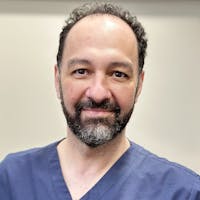
Dr. Sam Hanna
Panel Discussion (15 mins)
12:00-1:00pm: Lunch
Plenary Session 3
1:00-1:20pm
Hair Loss Deep Dive: Androgenetic Alopecia to Scarring Hair Disorders
Learning Objectives
- Differentiate common causes of hair loss including androgenetic alopecia, telogen effluvium, alopecia areata, and scarring alopecias — based on clinical presentation, history, and examination findings across diverse Fitzpatrick skin types.
- Develop an evidence-based initial workup and management plan for patients presenting with hair loss, incorporating appropriate laboratory evaluation, topical and systemic therapies, procedural options, and timely referral when indicated.
- Recognize how hair loss presentations and treatment considerations may vary across skin types and hair textures, and apply culturally sensitive, individualized counseling to improve adherence and outcomes.

Dr. Renée Beach
1:20-1:40pm
Understanding the Skincare Routine: What We Need and What We Definitely Do Not Need
Learning Objectives
- Describe the evidence-based components of a foundational skincare routine, including appropriate use of cleansers, active serums, moisturizers, and sunscreen across common dermatologic conditions.
- Evaluate common skincare myths and viral social media trends, distinguishing evidence-informed recommendations from marketing-driven or potentially harmful practices.
- Counsel patients effectively on building simplified, goal-directed skincare routines, tailoring recommendations to skin type, age, cultural practices, and dermatologic diagnoses while minimizing unnecessary products and irritation.

Dr. Linda Xing
1:40-2:00pm
Rosacea & Chronic Facial Redness: Updated Concepts
Learning Objectives
- Recognize and differentiate the clinical subtypes of rosacea and other causes of facial redness, including acne, seborrheic dermatitis, contact dermatitis, and connective tissue disease.
- Develop an evidence-based, phenotype-directed management plan for rosacea, incorporating optimized skincare, topical therapies, systemic agents, and device-based treatments when appropriate.
- Counsel patients on trigger identification, chronic disease expectations, and long-term management strategies, with attention to psychosocial impact and treatment adherence.
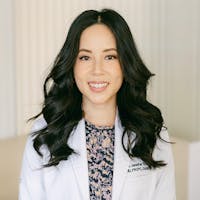
Dr. Jennifer Tran
2:00-2:20pm
Acne & Hormonal Skin: What's Changing and Why It Matters (pregnancy, perimenopause)
Learning Objectives
- Recognize and differentiate the clinical presentations of acne vulgaris across age groups and skin types, including comedonal, inflammatory, nodulocystic, and hormonally driven patterns.
- Develop evidence-based treatment plans incorporating appropriate use of topical therapies and oral therapies based on disease severity and patient-specific factors.
- Identify when further evaluation is warranted, including indications for laboratory workup or referral (e.g., signs of hyperandrogenism, treatment resistance, scarring risk), and implement strategies to optimize adherence and long-term outcomes.

Dr. Sonya Abdulla
Panel Discussion (15 mins)
2:35-2:50pm: Break (and sponsorship viewing)
Plenery Session 4
3:10-3:30pm
Atopic Dermatitis in 2026: Personalized Treatment Beyond Steroids
Learning Objectives
- Review the expanding landscape of topical therapies for atopic dermatitis including non-steroidal anti-inflammatories and barrier-supportive strategies — and understand how to select and sequence them effectively.
- Recognize when atopic dermatitis remains inadequately controlled despite optimized topical therapy and identify appropriate candidates for advanced systemic treatments, including biologics and JAK inhibitors.
- Apply a practical, stepwise approach to long-term disease control, incorporating steroid stewardship, proactive maintenance therapy, patient education, and criteria for referral or co-management.

Dr. Farheen Mussani
3:30-3:50pm
Non-AD Dermatitis - Eyelid Dermatitis, Hand Dermatitis, Seborrheic Dermatitis, Cheilitis
Learning Objectives
- Differentiate common non-atopic dermatitis presentations including hand eczema, facial dermatitis, eyelid eczema and angular cheilitis using anatomic pattern recognition and focused exposure history.
- Identify common and emerging allergens relevant to specific eczema subtypes and understand when patch testing or specialist referral is appropriate.
- Apply evidence-based, site-specific treatment strategies including newer non-steroidal topical therapies, optimized corticosteroid selection, barrier repair, and trigger avoidance to improve disease control and prevent chronicity.

Dr. Sandy Skotnicki-Grant
3:50-4:10pm
Paediatric Inflammatory Diseases - Considerations for Management and Referral Pathways
Learning Objectives
- Recognize common pediatric inflammatory dermatoses including atopic dermatitis and key mimickers using age-specific clinical patterns and red flags for alternative diagnoses.
- Differentiate inflammatory disease from infectious complications and other overlapping conditions in children, and identify when further workup or referral is warranted.
- Develop practical, evidence-based management strategies incorporating both traditional therapies and newer targeted treatments, with attention to safety, caregiver counseling, and long-term disease control.

Dr. Cathryn Sibbald
Panel Discussion (15 mins)
4:20-4:50pm Case-Based Panel
4:50-5:00pm: Closing Remarks
5:00-7:00pm: Networking Session
Advance Your Expertise Register for DermInsight Now!
Register Today